Annual DeafBlind Retreat: Transformative and F-U-N
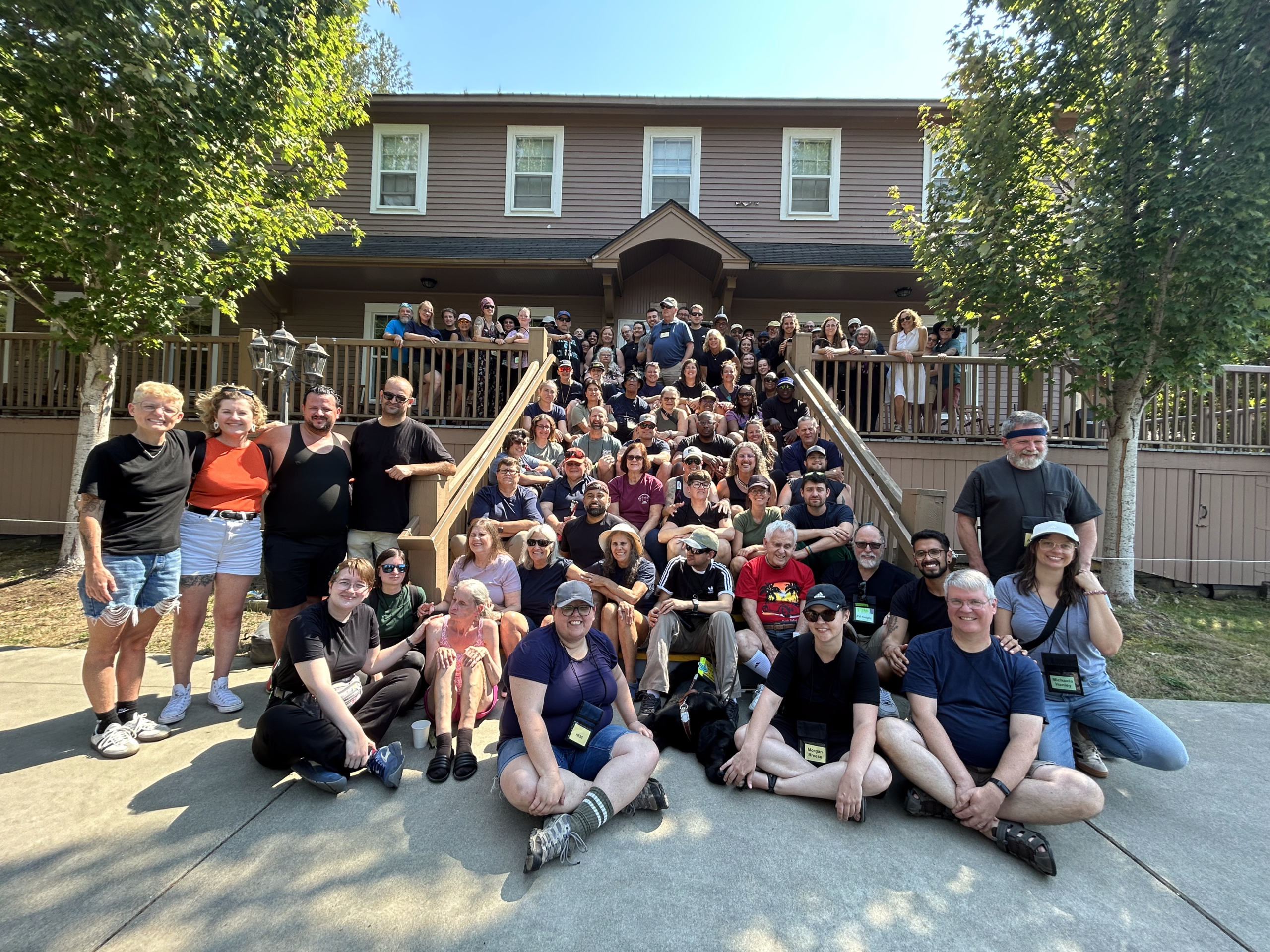
 2012 Deaf-Blind Retreat Participants and Volunteers
 2012 Deaf-Blind Retreat Participants and Volunteers
During the last week of August, The Lighthouse for the Blind, Inc. hosted the 34th Annual DeafBlind Retreat at the Seabeck Conference Center on the shores of Hood Canal in Washington State. The mission of the retreat is to provide people who are Deaf-Blind with an accessible environment for learning, social interaction and connection, and experiences that are traditionally inaccessible. Paul Ducharme, coordinator of the DeafBlind Retreat and DeafBlind Community Classes, tells us that, “the DeafBlind Retreat, in a word, is a lot of FUN.”*
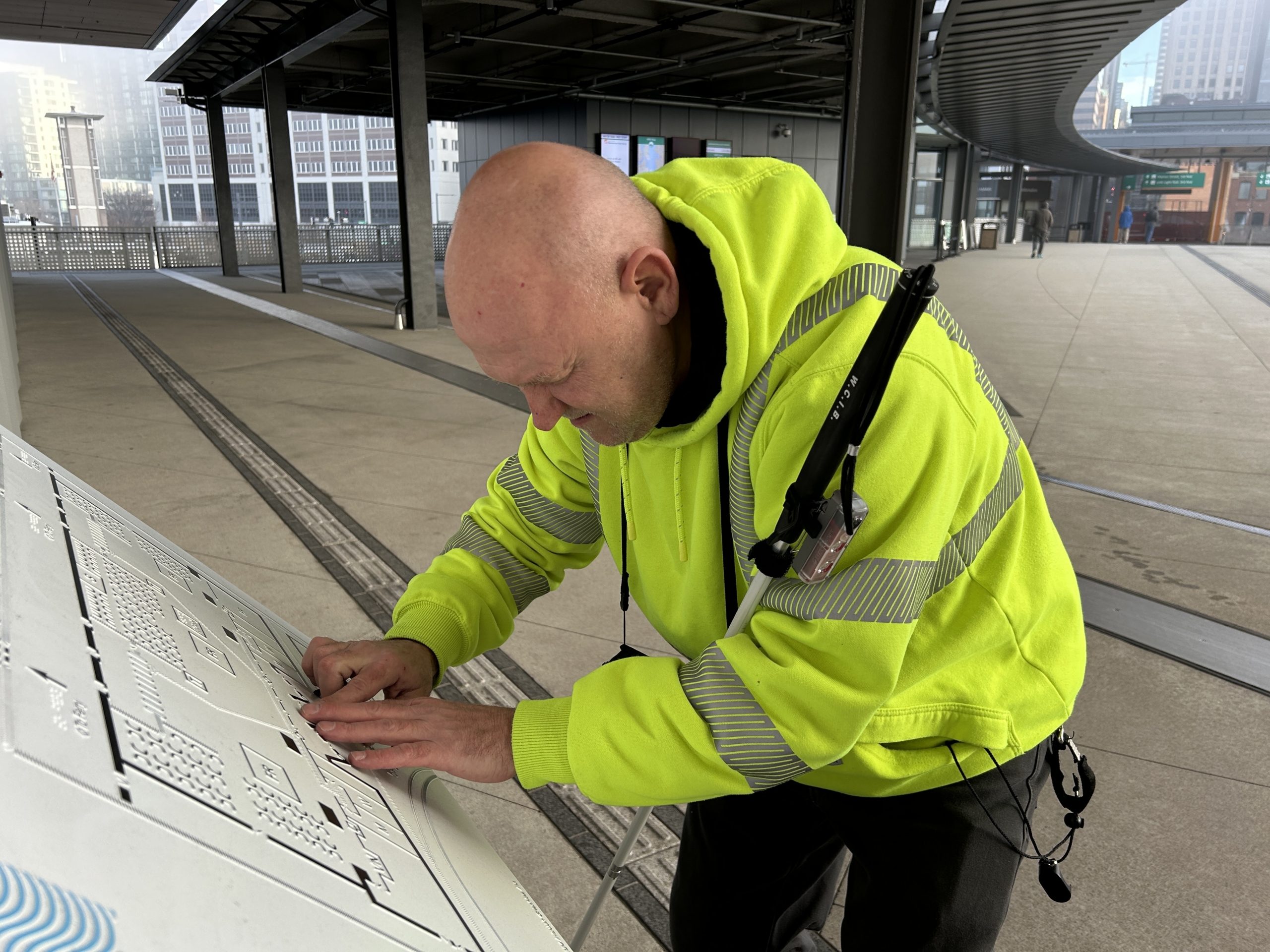
This year, retreat participants enjoyed boat rides provided by Seattle Lighthouse for the Blind Foundation Board President Howie Dickerman, went inner tube riding, swimming, hiked local trails with accessible rope guides, and cycled on tandem bicycles. After each adventure-filled day, some retreat participants relaxed with a soak in the hot tub, enjoyed a massage, lounged in hammocks, or played games with fellow retreat participants. Along with receiving valuable information on technology and mobility equipment, participants also attended lectures and classes in cooking and crafts, including demonstrations on making salsa and crafting maracas. Retreat participants also had the opportunity to join accessible tours of local sites surrounding the camp.
 John Romish, a set-up operator at Seattle Lighthouse, has attended the retreat nine times. He says, “next year I’m thinking about becoming a staff employee at the retreat. I would like to try something new; maybe become a tour guide.”* In 1996 when John first attended the retreat, he had recently been laid off from his job and it was at the retreat where he learned about the Lighthouse’s programs. He decided to apply for a job at the Lighthouse, and has been working there for 15 years.
To ensure the success of the retreat and the accessibility of resources and activities, attendees received supports ranging from assistive listening devices to sighted guides/interpreters. Tactile American Sign Language (ASL) is a major mode of interpersonal communication for people who are Deaf-Blind and requires hand-to-hand transmission of the traditional ASL language. Joey Graff, Training and Development Coordinator at the Lighthouse, explains the role of the ASL interpreter. “What’s important to me may not be what’s important to the person I’m interpreting for. So the key is to give the person who is DeafBlind the power of decision.”
 Joey thinks that the most exciting development with the DeafBlind Retreat over the years is how it’s more and more led by people who are DeafBlind. Creating a process and environment where people who are DeafBlind make the choices about where they want to go and what they want to do has increased the impact of the retreat for individuals who are DeafBlind. Joey says, “It’s great to see that the people who are working as directors and coordinators of the retreat are DeafBlind. People who are DeafBlind are mentoring interpreters about how to work with the DeafBlind community.”
The Lighthouse is proud of the continued success of the DeafBlind Retreat and the transformative experience we are able to provide to participants. We are grateful for the community’s consistent support of the retreat, and the dedicated support of the volunteers that make it possible.
* – Paul and John’s comments were translated from American Sign Language (ASL) to English by a certified interpreter.
[next]